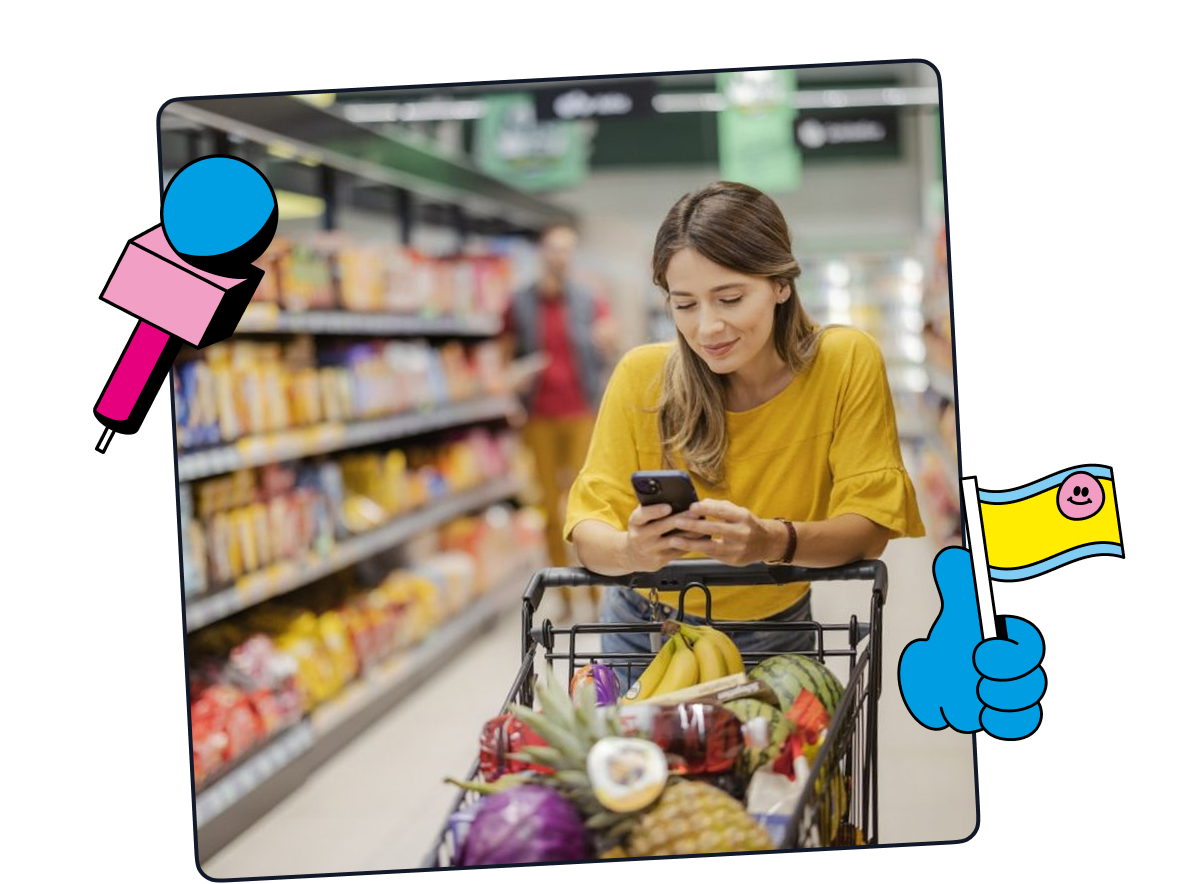
Summary of reports for 2024
Here is a summary of the complaints made by consumers.
Among the issues cited most frequently are:
“too many packaging components” > 48%
“packaging too large” > 40%

ENSEMBLE,
FAISONS BOUGER
LES LIGNES
Vous êtes ?
Comment bien trier mes déchets ?
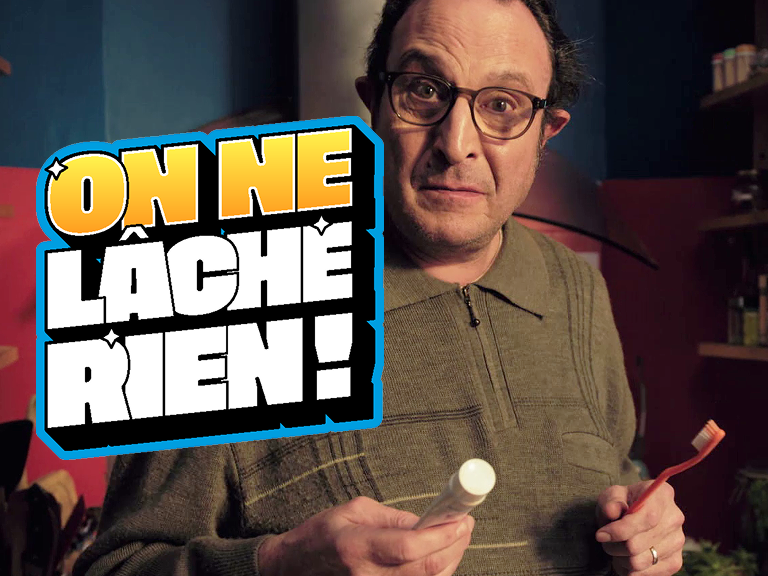
Le recyclage, ça change vraiment les choses ? Oui, alors on ne lâche rien !
Découvrez les dynamiques régionales du tri !
Le recyclage des emballages vous en êtes où ? Faites le test !
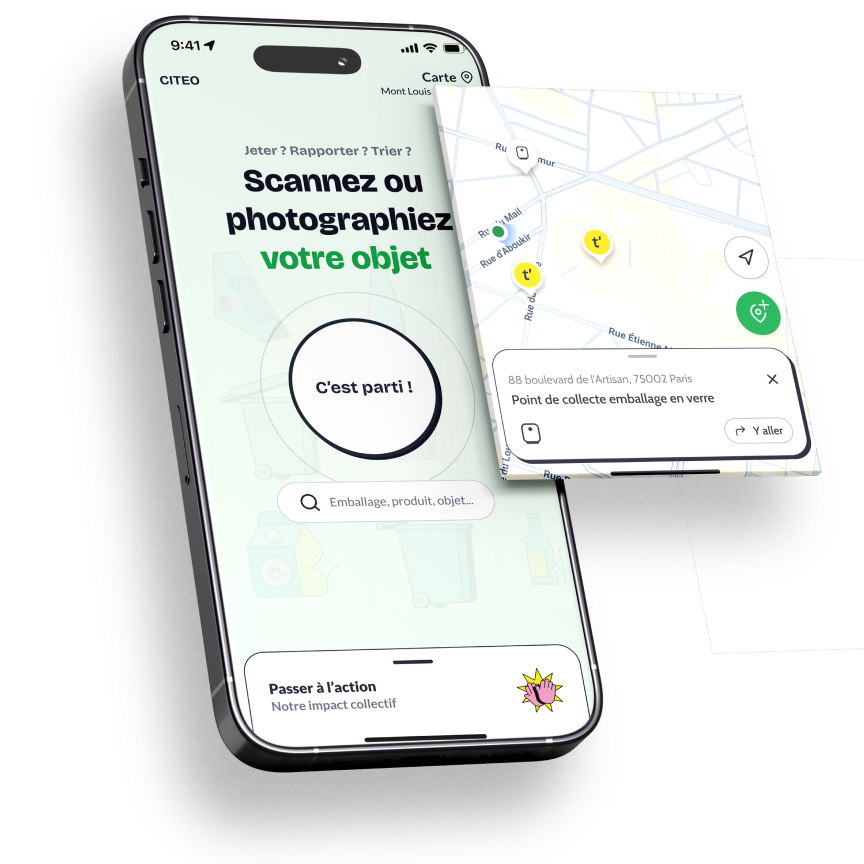
Facilitez-vous le tri au quotidien
Nos campagnes de sensibilisation :
Comment réduire mes emballages ?
Le réemploi des emballages, c’est simple : c’est évident : on s’y met tous !
Moins, c’est mieux : ensemble, réduisons nos emballages
Trop d’emballages, trop de vide, trop grand… dîtes-nous tout !
Facilitez-vous le tri au quotidien
Nos campagnes de sensibilisation :
Comment sensibiliser la jeunesse aux éco-gestes ?
Sensibiliser les jeunes de 6 à 14 ans aux enjeux autour de la réduction, du réemploi et du recyclage des emballages et papiers
Adoptez les bons gestes en famille et en s’amusant. Découvrez nos tips pédagogiques pour mettre le cap sur les écogestes !
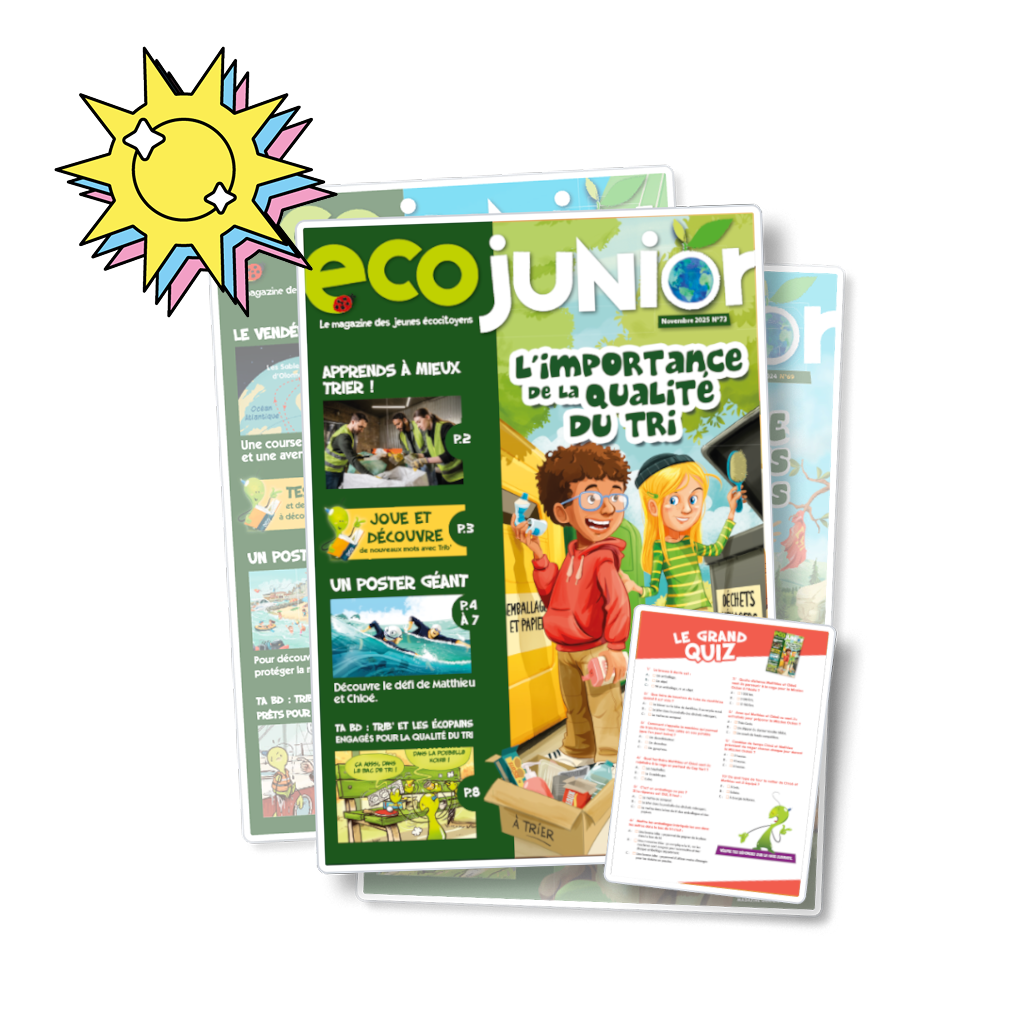
Le magazine des jeunes écocitoyens
Nos campagnes de sensibilisation :


Packaging is an integral part of your daily life. It protects your products and extends their shelf life, and makes them easier to transport, store and use, but it can sometimes seem excessive: you can report this here.
from the packaging deposit
single-use plastic packaging
Here is a summary of the complaints made by consumers.
Among the issues cited most frequently are:
“too many packaging components” > 48%
“packaging too large” > 40%
Have you spotted a product package that could be improved?
Here are a few tips to help us assess your request as effectively as possible:
– State the brand name and product name- Ideally, include the barcode; this will enable the company to identify the specific product directly- Attach a photo clearly showing the brand and the product.
Once the form has been completed, the CITEO teams analyse the validity of the report: is the packaging genuinely necessary to protect and preserve the product; are there ways to optimise it to reduce its size, make it lighter or even eliminate it altogether; and has this issue already been identified by CITEO or by manufacturers? If the brand is mentioned or visible in the photo, the report is forwarded to the relevant manufacturer, along with our analysis and recommendations for eco-designing the packaging in question.
Everyone can do their bit
Brands are looking for ways to create packaging that has less impact on the environment by reducing its weight, removing unnecessary elements, and choosing materials that are recyclable or can be reused several times.
An approach that we support through our experts.
These measures sometimes require a complete overhaul of the manufacturing process, investment in new machinery, the setting up of collection networks, and the training of staff. So it takes time!
And you may not be aware of this, but in the 30 years since waste sorting began, companies have contributed over 12 billion euros to fund the collection of packaging and paper, and to set up recycling networks, working alongside local authorities, collection operators and recycling plants. This is known as extended producer responsibility.
Over the past 40 years, the amount of household waste produced has doubled. Today, each French person throws away an average of 262 kg of household waste per year.
So what’s left in this ‘grey’ bin?
Our studies show that there are still 54 kg of unsorted packaging and paper! The first piece of good news is that we can therefore ‘slim down our bin contents’ by more than 20 per cent by sorting our waste systematically. With just a little more effort – and as the sorting process becomes simpler – it’s getting easier and easier.
Of course, our household waste bins do not contain only packaging waste and paper. Biowaste (food scraps, peelings, garden waste, etc.) accounts for a third of the weight of our household rubbish bins. Most of it is incinerated or sent to landfill: a huge waste that you can help prevent. Composting this organic waste has a dual benefit. It not only reduces the weight of our bins but also produces natural fertiliser for our gardens. And if you don’t have a compost bin at home, you’ll soon be able to make use of an organic waste collection scheme in your local area.
Fancy taking it a step further?
Each of us can take action in our daily lives to reduce the amount of waste we produce. Here are a few examples of things you can do to reduce the environmental impact of your consumption (and save money):
– At the supermarket, choose products with as little packaging as possible whenever you can. You can also opt for products sold by weight or in bulk – which are often cheaper – bringing your own containers where possible. Use reusable shopping bags, and keep them to hand (in your boot, for example). Beer, cosmetics, tinned food… some products are also sold in reusable packaging… which you can return after use!
– Furniture, knick-knacks, clothes, books – your ‘old bits and bobs’ can become treasures for others! They can certainly be donated for repair or reuse near you at recycling centres, second-hand shops or charity shops. Some recycling centres also have special containers. Check the Waste Sorting Guide to find your nearest collection point.
As for your household appliances or electronic devices that no longer work, there’s a good chance you’ll be able to have them repaired… and even benefit from the ‘repair bonus’ to do so (a flat-rate payment of between 10 and 45 euros depending on the type of appliance to be repaired), a bonus that will soon be extended to textiles.
Make sorting easier in your day-to-day life!


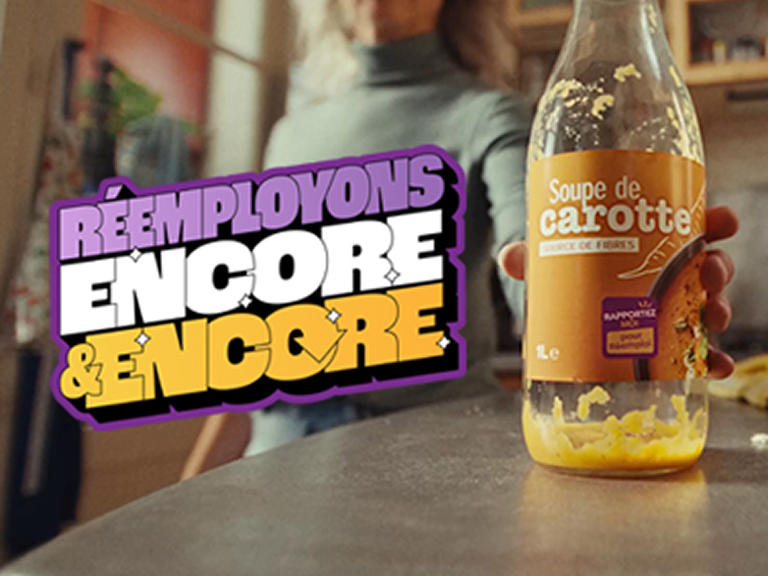
Re-employ
Reuse is simple and reduces our environmental impact. More and more brands are switching to reusable or refillable packaging. Shall we all get on board?
Sort for recycling
In France, we’re getting better at sorting our waste, but there’s still room for improvement when it comes to sorting everywhere, all the time. Discover challenges, news and tips to help you sort your waste more effectively and reduce your environmental impact in your day-to-day life.

Tackling fly-tipping
80 per cent of the waste found in the sea comes from land. Let’s take action: let’s not litter and let’s sort our waste.